A Tumbler Design's Unexpected Versatility for Embroidery
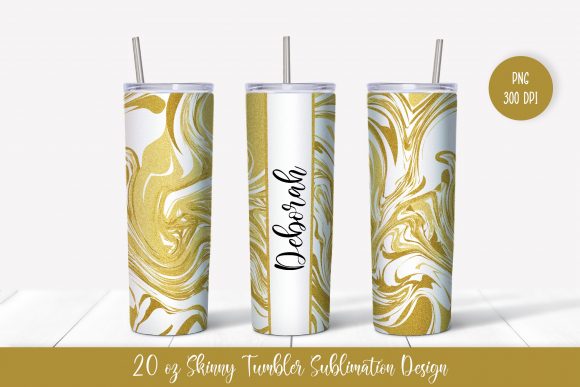
When a digital file is titled for a specific product—like this 20 oz skinny tumbler sublimation design—it’s easy to assume its use is singular. But as a designer who evaluates files for real embroidery work, my first question is always: how does this translate to thread and fabric? Opening this design, the immediate impression is one of modern elegance. The golden marble aesthetic isn’t just a color; it’s a mood. It feels luxurious, clean, and surprisingly adaptable.
The First Impression: More Than a Tumbler Wrap
The layout provided in two PNG formats—one rectangular, one tapered—reveals a design built with clear, distinct areas. This isn't a chaotic, overly detailed pattern. For an embroiderer, that’s a gift. The shapes and flows within the golden marble motif create natural boundaries that can be beautifully interpreted with satin stitches for definition and fill stitches for the textured areas. The design has a visual personality that leans toward contemporary giftware and sophisticated personalization. It doesn’t scream "holiday" or "baby," but instead whispers "custom," "boutique," and "quality."
A Real Project Scenario: Elevating a Simple Tote
Imagine you’re preparing a custom embroidered tote bag for a client who wants something unique but not flashy. You’re thinking about stitch clarity, customer reaction, and how the design will wear over time. Using the rectangular 9.3x8.2 inch PNG from this set, you could isolate a central portion of the marble pattern for the tote’s front. The tapered shape might inspire a curved placement. The golden tones, when translated into a rich, metallic-gold embroidery thread on a neutral linen bag, would create a stunning, textured effect. The design’s flow would guide the stitch direction, making the finished product feel intentionally crafted, not just stamped with an image.
Performance Across Real Embroidery Situations
This is where practical judgment matters. This tumbler design, due to its aesthetic and scalable PNG formats, performs well in several real-life embroidery situations beyond its intended use.
For custom apparel: A scaled-down section of the marble pattern could become a striking, abstract chest motif on a sweatshirt or a subtle detail on a t-shirt sleeve. The lack of tiny lettering or hyper-dense detail is a benefit here.
For home decor and gifts: Think pillow covers, kitchen towels, or blanket corners. The design’s elegant vibe makes it suitable for wedding gifts or boutique-style nursery decor when paired with softer thread colors.
For patches and accessories: The defined shapes within the design could be embroidered as a standalone patch for a cap or apron, especially if you use the tapered file’s contours to fit a curved surface.
For business and branding: For a small shop selling handmade goods, this pattern embroidered on tea towels or tote bags creates a cohesive, premium brand look. It enhances visual appeal and buyer engagement by feeling professionally designed.
Where to Use This Design With Care
Every embroidery file has its limits, and a realistic review must address them. This 20 oz skinny tumbler sublimation design should be approached carefully in a few key scenarios.
- Small hoop sizes: If you try to shrink the entire design too much for a small baby item or hat detail, the marble’s distinctive texture might lose its clarity and become a muddy fill stitch area.
- Textured or stretchy fabrics: The design’s smooth flow might not translate well on heavily textured fabric without extensive stabilizer testing. On stretchy fabric like certain t-shirts, the stitch density needed for the fill areas could cause puckering.
- Dark fabric backgrounds: The golden marble theme is inherently light. To maintain its mood on dark fabric, you’d need to plan thread color contrast carefully—perhaps using a cream or pale gold base rather than a stark white.
- Products needing frequent washing: If used on an item like an everyday kitchen towel, the potentially dense stitch areas should be tested for durability. A simpler running stitch outline of the shapes might be a more practical adaptation.
Affecting Value, Trust, and Professionalism
How a design stitches out directly impacts customer trust and your product’s value. This design, when embroidered well, elevates a handmade presentation. It doesn’t look like a generic clip-art image; it looks like a chosen design asset. That builds brand consistency for a creative entrepreneur. For an Etsy seller or craft fair vendor, a tote bag embroidered with this pattern feels giftable and recognizable—it has a specific style that buyers can remember.
The clarity of the provided PNGs means you can create clean printable mockups for your listings, which boosts professionalism. However, the final stitching clarity depends entirely on your embroidery skills and machine settings. The design offers a great blueprint, but the value is realized in your execution.
Practical Designer Notes Before You Stitch
Before you run this file for a client project or small shop merchandise, here are my grounded, friendly notes from the embroidery side.
- Always test on scrap fabric first. Use the same fabric and stabilizer you plan for the final product. See how the fill stitches render the marble texture.
- Check thread color contrast. Play with golds, creams, and even grays to see which best captures the elegant mood on your background.
- Review stitch density in your machine software. The PNG is an image; you must digitize it for embroidery. Ensure dense areas won’t overwhelm your fabric.
- Confirm your effective hoop size. The design’s original dimensions are large. You are likely scaling it. Make sure your scaled size works with your hoop and machine capabilities.
- Inspect small details after digitizing. Any sharp corners or fine lines you create from the image need to be stitch-friendly.
- Test the concept in black and white mockups. Sometimes, seeing the design stripped of color reveals if the composition is strong enough for embroidery.
- Compare light and dark fabric backgrounds digitally. This helps plan thread palettes for different product lines.
- Use proper stabilizer. This is non-negotiable for achieving a clean result, especially if adapting the design to apparel.
- Check licensing before selling. The product is in the Crafts category and is a Graphics type. This information does not specify license terms. You must confirm whether the file is for personal use, commercial embroidery projects, or both before selling any finished physical products or digital products derived from it.
In essence, this 20 oz skinny tumbler sublimation design is a versatile, mood-setting graphic. Its real power for embroiderers lies in its adaptable composition and modern aesthetic. It won’t automatically be perfect for every project—your skill and testing will determine that—but it provides a sophisticated foundation for creating embroidered goods that feel thoughtfully designed. That’s a valuable asset for any maker looking to elevate their work.