A Coffee Cup Embroidery Design Review for Craft Professionals
When a new embroidery design arrives, my first instinct is to look beyond the screen. I’m thinking about how it will breathe on fabric, how the thread will define its shapes, and what kind of story it will tell on a finished product. With the Coffee Cup Cafe design, that process begins with its simple, welcoming charm.
The Warm, Uncomplicated Mood of a Cafe Cup
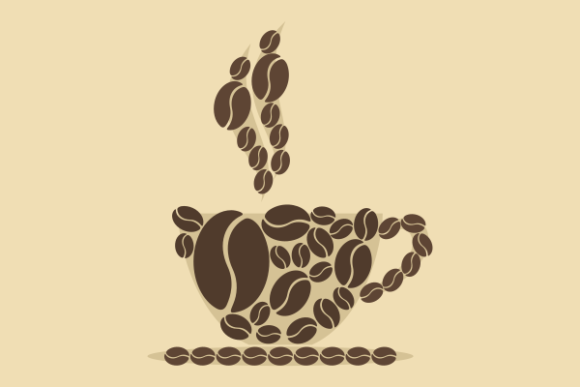
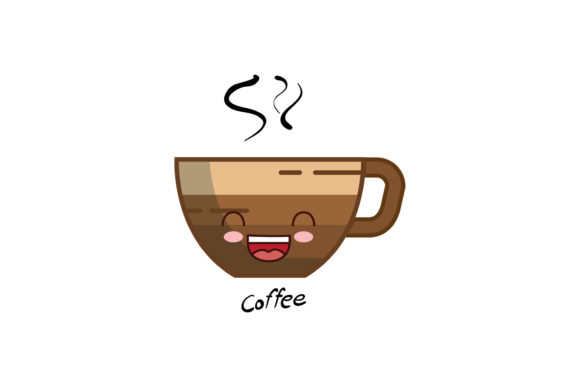
This isn’t a hyper-detailed, technical illustration. It’s a graphic with a friendly personality. The layout feels balanced and approachable, evoking that quiet moment of morning calm or a cozy cafe visit. For embroidery, this is a significant advantage. A design with too many tiny details can become muddy in stitching, but Coffee Cup Cafe has a clarity that promises good translation from file to fabric. Its mood is universally relatable—comfort, routine, a small pleasure. That’s a powerful starting point for any handmade product meant to connect with someone.
Where This Design Naturally Belongs: Project Ideas
I immediately picture this on a well-made tote bag for a coffee lover, or as a subtle accent on a linen apron for a home baker. Its theme makes it a perfect candidate for kitchen linens like tea towels or pillow covers in a breakfast nook. For personalized gifts, consider it on a sweatshirt for a friend who runs a small cafe, or on a baby bib for parents who are serious about their morning brew. In a craft business context, it could be a staple item for an Etsy seller specializing in cozy, everyday embroidered patches or caps.
The simplicity also means it scales well. For a boutique’s small shop merchandise, it could be embroidered smaller on a blanket’s corner or larger as a central motif on a canvas wall hanging. As a digital embroidery file provided in multiple vector formats (AI, EPS, SVG, DXF), it offers flexibility for resizing, which is crucial for adapting to different hoop sizes and products without losing integrity.
Thinking Like an Embroidery Machine: Practical Performance
Let’s walk through a real scenario. You’re preparing a custom embroidered tote bag as a holiday gift. You’ve chosen a sturdy cotton canvas. How will Coffee Cup Cafe perform? The clean lines suggest that satin stitches for the cup outline and fill stitches for the solid areas should lay down cleanly, provided your stitch density is set appropriately. The lack of extreme detail minimizes the risk of thread breaks or puckering in dense areas.
However, the design’s success hinges on your preparation. On darker fabrics, you must consider thread color contrast carefully—a light cream thread for the cup on a navy bag would pop beautifully. Always, test the design on scrap fabric first, using the same material and stabilizer you plan for the final project. This is non-negotiable. It reveals how the design handles the specific fabric texture and whether any small internal corners need adjustment.
Caution Zones: Where to Proceed with Care
While versatile, some applications demand extra attention. On very small hoop sizes, any design can lose definition; ensure the scaled-down version still reads as a coffee cup. On stretchy fabrics like t-shirts, robust stabilizer is key to prevent distortion. Embroidering on curved surfaces like caps requires testing to see how the flat graphic adapts to the curve.
For products destined for frequent washing, like kitchen towels or baby items, consider simplifying the thread palette to very stable colors and ensuring your stitching is secure to withstand wear. The design itself, being largely solid, should hold up well, but execution matters.
Beyond the Stitches: Value, Appeal, and Trust
From a commercial perspective, what does stitching Coffee Cup Cafe onto a product do? It creates a clear, thematic finished product. That clarity builds customer trust—they instantly understand the item’s charm. For a craft business, this design can become part of a brand consistency if you specialize in food or comfort-themed items. Its giftability is high because the theme is personal but not overly specific.
When listing such an item in an Etsy listing or at a craft fair, the embroidered piece will photograph well. The graphic nature of the design makes it suitable for clean printable mockups to showcase your digital product. This enhances professionalism and buyer engagement. People recognize a coffee cup immediately; that instant recognition is a sales advantage.
Essential Designer Notes Before You Hoop the Fabric
Before committing to a client project or a batch of small shop products, do your digital homework. The product is categorized as Illustrations and Graphics. While the provided file formats are excellent for vector editing and scaling, they are not machine-specific embroidery files. You will need to convert or use them within your embroidery software. This is common for digital design assets, but it’s a crucial step.
- Always confirm the licensing terms for commercial embroidery use before selling finished items.
- Check how the design converts in your specific software—look for any unexpected open paths or overlapping shapes.
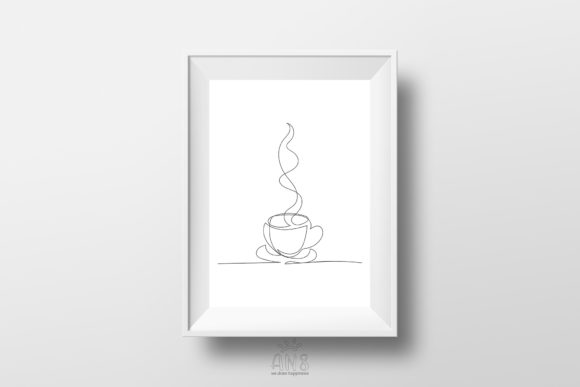
- Test it in black and white mockups to judge its form without color influence.
- Compare how it looks on light and dark fabric backgrounds in your software preview.
- Plan your thread palette. A monochrome version could be very effective for a minimalist look.
- Remember, the canvas size is given (1920px x 1280px). Use that as your guide for maximum quality when scaling.
In the end, Coffee Cup Cafe is a design that understands its role. It doesn’t try to be overly complex. It aims to be a clear, warm, and stitchable graphic that can become a loved element on a physical product. For the embroidery designer, the apparel decorator, or the creative entrepreneur, it offers a solid foundation. Your skill in choosing the right fabric, thread, stabilizer, and product application will bring its quiet cafe mood to life, stitch by stitch.